

Oppa Meaning: What Does 오빠 Mean in Korean?
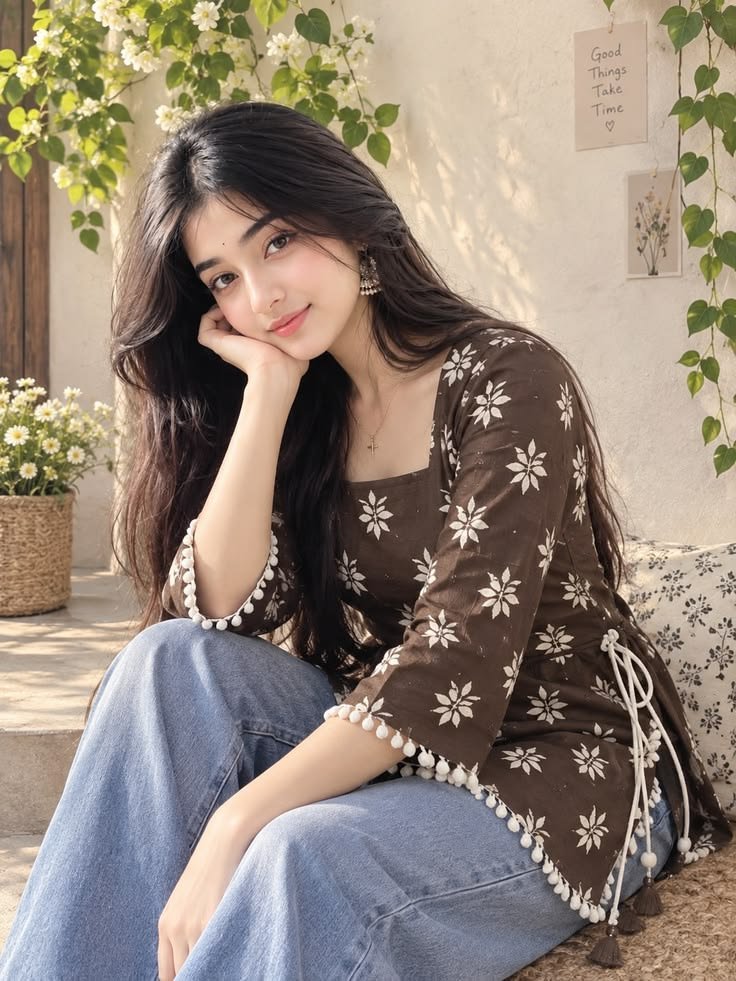
You’ve heard it in a hundred K-drama scenes. A heroine turns around, her voice goes soft, and she says one word. Oppa. The whole audience sighs. Maybe you first caught it in PSY’s “Gangnam Style,” or maybe a Korean friend used it and left you guessing. Either way, the oppa meaning is simpler than the internet makes it sound.
Here’s the short version. 오빠 is a Korean word that means older brother when a female speaker says it. Korean women also use it for an older male friend, an older boyfriend, and even a favorite Korean idol. This guide walks you through the literal meaning, the natural meaning, the rules, the exceptions, and the mistakes to avoid.
Quick answer: Oppa (오빠) is what a girl or woman calls an older man she feels close to. It can mean her older brother, a close male friend, a boyfriend, or a Korean celebrity she admires.
What Does Oppa Mean in Korean?
Let’s start with the basics. Oppa is a Korean term of kinship that women use to speak to or about an older male. In the Korean language, you rarely call an older person by name. Doing so can sound cold or even rude. A term of address like 오빠 fixes that problem. It shows respect for the age difference while keeping things warm. That’s why you’ll hear it in homes, schools, cafés, and every second Korean drama.
The word has traveled far from its roots. According to Loving Korean, it once belonged strictly to the family relationship between a girl and her brother. Over time it spread to close older males outside the family. MeaningInKorean notes that it is a native Korean word with no Chinese-character roots, and it’s closely tied to the older word 오라비 (orabi). Even English took notice. The Oxford English Dictionary lists the noun, with its earliest evidence from 1963.
Oppa Meaning in English
English has no single word that matches it. Think of oppa as a mix of “big brother,” “older guy I trust,” and sometimes “babe.” The oppa English meaning shifts with the situation. If a sister says it to her brother, “big bro” fits. If a girlfriend says it, “honey” comes closer. Some readers find this odd, yet English does the same thing with “baby.” You use it for a newborn and for a romantic partner. Nobody blinks. So the oppa translation always depends on context and tone.
What Does 오빠 Mean Literally?
The literal meaning of 오빠 is “a woman’s older brother.” That’s the whole dictionary entry. Written in Hangul, it splits into two blocks, 오 and 빠, and the romanization is “oppa.” A biological brother gets the extra label 친오빠 (chin-oppa), where 친 means “own.”
Old-fashioned speakers also use 오라버니 (orabeoni) and 오라버님 (orabeonim). These fancier Korean honorific forms mostly show up in historical dramas, according to Linguaholic. Everyday Korean conversation sticks with plain oppa.
Who Can Say Oppa?
Only women and girls say it. That’s the core gendered term rule. A female speaker talks to an older male, and that’s the whole setup. Speaker gender matters more than most learners expect. A man who wants the same idea uses hyung (형), which you’ll meet below. Exceptions exist. People joke around, tease friends, or sing along to “Gangnam Style.” Those cases are playful and don’t count as normal real-life usage. For everyday speech, treat oppa as a female-to-male address.
Who Can You Call Oppa?
You can call an older man oppa when he’s older and you’re close. That covers a brother, a cousin, a friend, a school senior, and a boyfriend. The Korean age system adds a twist here. As Linguaholic explains, birth year decides who’s older.
Imagine a guy born in December 1991 and a girl born in January 1992. She can call him oppa. A guy born in the same year as her? No, he gets his name or chingu (친구). Most sources also suggest a limit of about ten years, since bigger gaps call for other titles.
Related Post: 1234 Angel Number Meaning: Love, Twin Flame, Career, Money & Spirituality
Oppa Meaning Depends on the Relationship
Same word. Six different moods. That’s the fun part of Korean relationship terms. When a woman says 오빠, the social meaning rides on who she’s talking to. A sibling hears everyday familiarity. A boyfriend hears affection. A pop star hears adoration from a distance. Korean learners often miss this because the dictionary gives just one definition. The real skill is reading the relationship context around the word.
The table below sums up how each situation shifts the feeling. Notice that the word itself never changes. Only the relationship closeness, the tone of voice, and the setting do.
| Relationship | What Oppa Feels Like | Example |
|---|---|---|
| Older brother | Plain, everyday, sometimes bossy | 오빠, 밥 먹었어? (Oppa, have you eaten?) |
| Older male cousin | Family warmth | 사촌 오빠 (cousin oppa) |
| Older male friend | Friendly and respectful | 민준 오빠 (Minjun oppa) |
| Boyfriend or husband | Sweet and affectionate | 오빠, 보고 싶어 (Oppa, I miss you) |
| Male senior or classmate | Friendly once you’re close | 지민 선배 → 지민 오빠 |
| K-pop idol or celebrity | Admiring, fan-love | 오빠, 사랑해요! (Oppa, I love you!) |
Oppa for an Older Brother
This is the original and most common use. A sister calls her older brother oppa instead of his name, since using names with elders feels disrespectful. Lingua Asia points out that a flat, unexcited tone usually signals a real sibling. Real-life brothers can be bossy or teasing. Some sisters even joke that a grumpy brother is “mom’s son” so they can dodge the word. Still, when someone else picks on her, most brothers turn protective in a heartbeat.
Oppa for an Older Male Cousin
Cousins get the same treatment as brothers. The formal label is 사촌 오빠 (sachon oppa), meaning “cousin oppa.” Most women skip the label and just say oppa. That’s the family context at work. The word stretches naturally across the wider male relative circle. So if your older cousin is a guy and you’re a girl, he’s oppa. Family gatherings in Korea often sound like a chorus of oppas and unnies. Everyone knows exactly who’s who.
Oppa for an Older Male Friend
Here’s where beginners get confused. A woman may call an older male friend oppa without any romance at all. Korean culture prefers titles over first names for older people. So “Minjun oppa” is polite, warm, and friendly in one go.
The friendship context does require emotional closeness, though. You wouldn’t use it on your first meeting. Also, same-age friends don’t qualify. According to Lingua Asia’s comment replies, a same-age guy gets his name, and a joking “oppa” only appears when he pays for dinner.
Oppa for a Boyfriend or Husband
Most Korean women date men who are the same age or older. So an older boyfriend becomes oppa almost automatically. The tone shifts, too. It turns softer and sweeter, closer to “honey” than “brother.” Many wives keep saying it after marriage. If the boyfriend is younger, women use his name or a pet name like 자기야 (jagiya). That’s a common Korean boyfriend nickname and works for either partner. Notice that the word doesn’t mean “boyfriend.” It’s just the term of address she uses for him.
Oppa for a Male Senior or Classmate
School adds another layer. A girl at university usually starts with “name + 선배 (sunbae),” which is a gender-neutral word for a male senior. As the friendship grows, she may switch to “name + oppa,” as Lingua Asia describes. Some women skip the switch to avoid misunderstandings. At work the rule is stricter. A work senior gets a job title or sunbae, never oppa. Using it in an office marks you as clueless, and coworkers will notice.
Oppa for a K-Pop Idol or Celebrity
Fans love this one. At concerts and fan meetings, women call a favorite Korean idol oppa to show affection and closeness. It works even when the idol has never met them. There’s a popular Korean saying that all handsome men are oppa, no matter their age. That’s fan culture in a sentence. Chingu calls it a kind of parasocial warmth, where a Korean celebrity feels like a familiar older figure. It’s adoring, not romantic.
Don’t Miss: Ignorance Is Bliss Meaning: Definition, Origin, Examples & Usage
Does Oppa Mean Boyfriend?
Short answer: no. Yet the mix-up makes total sense. Every K-drama couple seems to say it. A woman whispers “oppa” to her love interest and the music swells. New viewers connect the dots and decide the word must mean boyfriend. Real Korean speakers would smile at that. The Korean word for boyfriend is 남자친구 (namja chingu), which literally means “man friend.” Oppa is a different thing entirely.
Here’s a fun test from Loving Korean. A three-year-old girl can call her four-year-old brother oppa. If oppa meant boyfriend, that sentence would be impossible. So the boyfriend meaning is a side effect of how women use the word. It’s not the definition. As LearnKorean24 puts it, women do call an older boyfriend oppa. But they use it for brothers and close friends too.
Short answer: No. Oppa means older brother or older male. Women also use it for an older boyfriend.
Why Boyfriends Are Sometimes Called Oppa
There are a few reasons. First, most Korean couples have an older man. Second, the word feels warmer than a plain name. Third, media keeps repeating the pattern. Together these forces make “oppa” the default romantic address term for many couples.
It’s a term of affection with a built-in respect. Notice how the family relationship sound carries over. The boyfriend gets the protective, caring feel of an older brother. Some women love that. Others find the power dynamic old-fashioned, as Loving Korean points out.
Why Oppa Does Not Automatically Mean Boyfriend
Think of “sweetie” in English. You might call your partner sweetie. But sweetie doesn’t mean boyfriend. It’s a label you attach to him. Oppa works the same way. Linguaholic uses this exact comparison. The word covers a biological brother, a cousin, a friend, and a school senior, so a woman using it doesn’t reveal her love life. If you’re a guy and a Korean woman calls you oppa, don’t jump to conclusions. She may see you as a trusted older friend.
How Tone and Context Change the Meaning
Tone does most of the heavy lifting. A flat “oppa” between siblings is routine. A drawn-out “oppaaaa” is aegyo, the cute act women use to ask for favors. The table below shows how much the context and tone can shift a single word. The list draws on the examples in Lingua Asia.
| How It Sounds | What It Usually Means |
|---|---|
| Flat, calm “oppa” | Talking about a real brother |
| “Oppaaaa~” with a whiny lilt | Cute request, aegyo, flirting |
| Bright “oppa!” | Happy greeting to a friend |
| Sharp, clipped “OPPA!” | She’s annoyed |
| Slow, quiet “oppa…” | Serious talk coming |
Who Can and Cannot Use Oppa?
The rules sound strict on paper. In practice they’re more relaxed. Four checks cover most situations. The speaker should be female. The listener should be male. He should be older, even by one year. And the two of you should share a familiar relationship. If any of the four fails, the word probably won’t fit. That’s the appropriate usage test in one breath.
Real life bends these rules all the time. Koreans tend to be flexible with foreign speakers and forgive small slips. Friends joke around. Fans stretch the age rule for idols. Even so, knowing the standard rules helps you spot the jokes and avoid the inappropriate usage that makes people wince. Think of the rules as a map and the exceptions as shortcuts.
Can a Woman Call an Older Man Oppa?
Yes. That’s the classic use. She needs him to be older by birth year and needs enough emotional closeness to feel natural. A stranger doesn’t qualify, and neither does a formal contact. Picture a woman meeting her brother’s best friend for the tenth time. By then, “oppa” feels right. If she isn’t sure, asking is easy. Something like “Can I call you oppa?” (오빠라고 불러도 돼?) works, as LearnKorean24 shows.
Can a Man Call Another Man Oppa?
Normally no. Men use hyung (형) for an older male. A man saying oppa gets confused looks. The main exceptions are jokes, teasing, and the occasional subversive twist, as Linguaholic and Chingu note. That brings us to PSY. The lyric “오빤 강남스타일” contains 오빤, a short form of 오빠는 (oppa + topic marker). PSY is playfully speaking about himself in the third person. It’s a goofy, over-the-top boast and works because it breaks the rule.
Can You Call a Younger Man Oppa?
Technically no. The word only travels upward in age. If he’s younger, you’d use his name. Two exceptions stand out. First, fans call younger idols oppa as a sign of affection. Second, some older women tease younger guys with a playful “oppa,” as Lingua Asia mentions in a reply. Both cases work because everyone understands the joke. Outside those situations, a younger man would just get his name or a pet name.
Can a Woman Call a Much Older Man Oppa?
Most sources set the limit around ten years. Beyond that, other titles like 아저씨 (ajeossi) or 삼촌 (samchon) fit better. Some writers add an age-30 cutoff for men you don’t know. Linguaholic even says oppa is “a young man’s game.” But Lingua Asia disagrees and reports hearing 60-year-old women call their older brothers oppa. The lesson? A lifelong family relationship keeps the word alive. A brand-new acquaintance over 30 usually doesn’t qualify.
Can Foreigners Use the Word Oppa?
Yes, with care. Many non-Korean women use it comfortably in Korean social circles. Wait until you’re close. Follow the other person’s lead. And don’t squeal it at every guy you barely know. Loving Korean says the word has no magic powers of its own. The magic comes from the person using it. Korean guys vary too. Some love it and some don’t care. A simple question settles it. If you’re close enough to say oppa, you’re close enough to ask.
Oppa vs. Other Korean Relationship Terms
Korean sorts siblings by who’s talking. English says “brother” no matter who speaks. Korean says oppa if a woman speaks and hyung if a man speaks. It’s a neat little puzzle. Once you see the pattern, the whole set of Korean sibling terms clicks into place. Four words cover almost every case, and each one is a gendered kinship term.
The table below, modeled on the chart at 90 Day Korean, gives you the map. Find the speaker in the left column and read across to see which word fits.
| If the Speaker Is… | Talking to an Older Male | Talking to an Older Female |
|---|---|---|
| Female | 오빠 (oppa) | 언니 (unnie / eonni) |
| Male | 형 (hyung) | 누나 (noona) |
Oppa vs. Hyung (형)
The two words mean nearly the same thing. Both say “older brother.” Oppa belongs to women. Hyung belongs to men. So one man can be oppa to a younger woman and hyung to a younger man at the very same moment. Hyung carries no romantic feel. It’s a warm, brotherly word, as Chingu points out. Boy bands use it constantly. In interviews, younger members say “name + hyung” to the older members. That’s male-to-male address in action.
Oppa vs. Noona (누나)
Noona is what a man calls an older woman. It mirrors oppa but flips the genders. A younger brother calls his sister noona. A guy also uses it for older female friends. K-dramas even have a “noona romance” trope. A younger man falls for an older woman and calls her noona at first. Then he drops the title and uses her name. Fans treat that switch as a big emotional turning point, according to Chingu.
Oppa vs. Unnie/Eonni (언니)
Both words belong to women. But oppa faces older males and unnie faces older females. Official Revised Romanization spells it “eonni.” Fans online prefer “unnie” because it sounds closer to the real pronunciation. A woman uses unnie for her older sister, her older female friends, and even friendly servers in casual restaurants. Preply notes it carries the same warmth as oppa but stays inside female-to-female bonds.
Oppa vs. Dongsaeng (동생)
Here the direction flips. 동생 (dongsaeng) means a younger sibling or younger person. It’s gender-neutral. To be specific, Koreans add 남 for a younger brother (남동생) and 여 for a younger sister (여동생). The relationship runs one way. The younger person uses oppa or hyung. The older person uses the younger one’s name, often with -아 or -야 at the end. So oppa and dongsaeng are two halves of one pair. One rises, and one looks down with affection.
When Is It Appropriate to Call Someone Oppa?
Start with one golden rule. Closeness comes first. Oppa comes second. Skipping straight to the word signals friendliness you haven’t earned yet. Korean etiquette rewards patience. Let the friendship grow, notice how the other person talks to you, and follow their cue. If he starts using casual speech with you, the door is probably open.
A safe default helps before that point. Use his name plus 씨 (ssi) until the bond is clear, as 90 Day Korean recommends. That’s polite language with zero risk. When you’re unsure, ask. Koreans often tell you what they’d like to be called. So the awkward moment usually passes in five seconds.
Family and Close Relationships
Family is the easiest zone. A sister calls her brother oppa. Cousins get the same word. Korean speakers often add 우리 (uri, “our”) in front, so “우리 오빠” means “my older brother.” That’s the natural way to say it, according to Chingu. This family context needs no permission and no awkward pauses. It’s simply how the household talks. Even adult sisters in their sixties keep using it with brothers, so the habit lasts a lifetime.
Friends and School Relationships
Among friends, oppa needs two ingredients. The guy must be older. And you must feel comfortable. At school, a university senior usually starts as sunbae and becomes oppa once the friendship deepens. Many Korean guys enjoy hearing it from close younger friends. Some women avoid it to prevent misunderstandings, since it can sound flirty. That’s a fair choice. If you want to stay purely friendly, sunbae remains a solid, respectful option in the friendship context.
Romantic Relationships
Couples use oppa constantly. When the man is older, his girlfriend calls him oppa. The tone often turns tender. Some couples keep it forever. Others switch to pet names like 자기야 (jagiya), which means “honey” and works for anyone. If he’s younger, she uses his name or jagiya. The romantic context gives the word a soft glow. Lines like “오빠, 사랑해” (“Oppa, I love you”) appear in countless K-drama scenes, and real couples say them too.
Professional and Formal Situations
Skip it at work. A professional setting calls for job titles or 선배 (sunbae). Calling your male boss oppa would feel unprofessional. Even if he’s the right age, the workplace context overrides everything else. Lingua Asia says even couples at the same company drop the word in business emails. They use formal titles instead. That’s a nice reminder that Korean social norms treat work and home as separate worlds with separate vocabularies.
When You Should Avoid Using Oppa
Some situations are simply off limits. The table below lists the main ones. Each row describes a case where oppa creates awkward use and what to say instead.
| Situation | Why It Feels Wrong | Better Choice |
|---|---|---|
| Meeting a stranger | Too familiar too fast | Name + ssi (씨) |
| Your boss or coworker | Unprofessional | Job title or sunbae (선배) |
| A man much older than you | Age gap too big | Ajeossi (아저씨) or samchon (삼촌) |
| A formal event | Too casual | Polite title |
| A man speaking to a man | Wrong gendered term | Hyung (형) |
Why Is Oppa So Common in K-Dramas and K-Pop?
Ever wonder why you hear “oppa” every five minutes? Because it packs three big story ingredients into one word. It signals romance. It signals fan culture love. And it hints at the protective older guy that Korean dramas adore. Writers can drop a single syllable and communicate a whole relationship. That efficiency makes K-drama language sticky across borders.
International audiences pick up on the word fast. Streaming platforms carry Korean shows to millions of US homes, and the Korean vocabulary travels with them. KTalk argues that the dictionary definition captures only a slice of how the word works. The rest lives in K-pop fandom, variety shows, and everyday chatter. So the word became a bridge between Korean culture and global pop culture.
Oppa in Korean Dramas
In dramas, oppa often marks a turning point. A female lead who used a formal title suddenly says “oppa,” and viewers know the relationship has shifted. MeaningInKorean calls the first oppa moment almost a genre convention. Love triangles use it too. A classic line goes 오빠가 좋아? 내가 좋아? (“Do you like oppa? Or me?”). The word carries emotional closeness and affection in a single beat. Writers rely on that shorthand because Korean audiences instantly understand it.
Oppa in K-Pop and Fandom Culture
At concerts, fans shout it. In comment sections, they type it. Fansigns overflow with it. Female fans use oppa to show closeness with a K-pop idol they may never meet. The word frames the idol as a familiar, caring older figure. That’s the parasocial warmth Chingu describes. Idols often respond with playful grins. On Korean variety shows, younger female guests tease older male celebrities with exaggerated oppas for laughs. The joke works because everyone shares the code.
Why International Fans Use Oppa Differently
Global fans stretch the rules. Many use oppa as a general label for any male favorite. Others attach it to idols who are younger than them. Native Korean speakers notice the difference. In Korea, the age rule carries more weight than in fan chat rooms. That gap creates funny moments. A US fan may say “oppa” to a same-age coworker as a joke. A Korean listener may find it puzzling. Neither side is wrong. The word simply wears different outfits in different places.
Why Female Fans May Call Younger Idols Oppa
This one breaks the age rule on purpose. Fans use oppa as an expression of love, not a math problem. Chingu notes that the fan-culture meaning overrides the strict age rule. Many idols joke about it. Some younger members even ask older fans to call them oppa in playful bits. So the exception is well known and widely accepted. It’s still just an exception. Off stage, in normal Korean conversation, the age rule returns.
How to Pronounce Oppa (오빠)
The double P isn’t a typo. It’s the key to sounding natural. The pronunciation of oppa trips up many English speakers because English doesn’t have an exact match for the sound. Say “oh” first. Then say a sharp, tight “ppa.” The second part is short and clipped. No long, breathy finish.
Two beats carry the whole word. Don’t drag it out. Stress claims vary from source to source, so focus on the tight consonant instead. That’s the part every guide agrees on. With a little practice, 오빠 pronunciation becomes second nature.
Correct Korean Pronunciation
Say it fast and light. Loving Korean lists the IPA as [op̕a] and stresses the tightening of your throat on the “pp” sound. So the mouth shapes “oh” and then snaps into “pa” with extra tension. Native audio helps a lot. Try repeating after a native speaker on a dictionary site or a YouTube lesson. You’ll notice that Korean rhythm feels even and crisp, unlike the stretched vowels of English. Practice with short phrases like 오빠, 어디 가? to lock it in.
What the Double ㅃ Sound Means
The double letter ㅃ stands for a tense consonant. It’s a single sound, not two p’s in a row. Compare it with ㅂ, the plain b/p sound in words like 바 (ba). To make ㅃ, tighten your throat and lips before you release the air. You’ll feel a little pop. English speakers often skip that tension and end up with a soft “oh-pah.” That’s understandable. Korean has three related sounds (ㅂ, ㅃ, ㅍ), and each has a different feel.
Common English Pronunciation Mistakes
Three mistakes show up again and again. First, learners soften the second syllable into a gentle “pah.” Second, some say two separate p’s, like “op-pa.” Third, people mix it up with 아빠 (appa), the word for “dad.” That last mix-up makes LearnKorean24 explain that oppa does not mean daddy. The two words look and sound alike, so the confusion is normal. A quick trick helps. Oppa starts with an “o” sound, and appa starts with an “a” sound.
How to Use Oppa in Korean Sentences
Time for real phrases. Most examples below use informal language and casual speech, so save them for people you know well. Korean grammar lets you drop subjects, so “oppa” often stands in for “you.” That’s a handy trick in spoken Korean. Instead of saying “Where are you going?” to a brother, you’d say “Oppa, where going?” and everyone understands.
You can also attach a name before it. “민호 오빠” (Minho oppa) works when talking to him or about him. This is the name plus oppa pattern. It adds respect and closeness at once. The table below gives you six ready-to-use lines, with romanization and English.
| Korean | Romanization | English |
|---|---|---|
| 오빠, 어디 가? | Oppa, eodi ga? | Oppa, where are you going? |
| 우리 오빠는 의사예요. | Uri oppa-neun uisa-yeyo. | My older brother is a doctor. |
| 오빠, 보고 싶어. | Oppa, bogo sipeo. | Oppa, I miss you. |
| 오빠, 잘생겼어. | Oppa, jalsaenggyeosseo. | Oppa, you’re handsome. |
| 오빠, 도와줄 수 있어요? | Oppa, dowajul su isseoyo? | Oppa, can you help me? |
| 민호 오빠가 사줬어. | Minho oppa-ga sajwosseo. | Minho oppa bought it for me. |
오빠, 어디 가? — Oppa, Where Are You Going?
This line is short, casual, and super common. 오빠 opens the sentence as a direct address. Next comes 어디 (where) and 가 (go). The ending is banmal, the casual style used with close people. A sister might say it to her brother heading out the door. A girlfriend might say it to a boyfriend grabbing his keys. Because it’s informal, don’t use it with strangers. For politer speech, add -요 or switch to a formal ending.
우리 오빠는 의사예요 — My Older Brother Is a Doctor
This sentence introduces a family member. 우리 literally means “our,” but Korean speakers use it for “my” with family. The 는 particle marks the topic. Then 의사 means doctor, and 예요 is the polite “is.” So the sentence works as a clean polite Korean introduction. Notice the ending. It uses 존댓말, so it fits conversations with coworkers or new friends. It’s a good example of how oppa also works in third person, not just direct address.
오빠, 보고 싶어 — Oppa, I Miss You
This one carries feeling. 보고 싶어 means “I miss you” or “I want to see you.” Paired with oppa, it becomes a soft, affectionate line. Couples use it. Close siblings sometimes use it too. You’ll hear versions in nearly every K-drama. A bonus phrase is 오빠, 사랑해 (“Oppa, I love you”), popular with fans and partners. Because romantic use of oppa varies, tone matters. A gentle voice makes it sweet. A neutral voice keeps it family-style.
Natural Examples for Family, Friends, and Couples
Here’s a quick mini-scene. A sister asks her brother, “오빠, 저녁 뭐 먹어?” (Oppa, what’s for dinner?). Later a girl asks a friend, “민준 오빠, 이거 좀 도와줘요” (Minjun oppa, please help me with this). At night a wife texts her husband, “오빠, 오늘 늦어?” (Oppa, are you late tonight?). Each line uses the same word in a different setting. The family context, the friendship context, and the romantic context each give oppa a distinct flavor. Listen for the tone, and the meaning follows.
Is Calling Someone Oppa Flirty or Romantic?
Honestly? It depends. The word isn’t flirty by default. A sister calling her brother oppa isn’t flirting. A fan yelling it at a concert isn’t dating anyone. Still, oppa can turn flirty fast. It all comes down to tone of voice, intention, and the relationship. That’s the whole secret.
LearnKorean24 says the word isn’t inherently flirty, but it can be used that way depending on intonation and intent. Loving Korean agrees and adds that a woman who says it in the right voice signals she likes a guy as more than a friend. So the flirty meaning lives in the delivery, not the dictionary.
When Oppa Sounds Affectionate
An affectionate tone is soft, warm, and a little stretched. Think “oppaaa” when a girlfriend wants a snack. Or a giggly “oppa~” when she teases him. This is the cute way to address someone that Korean pop culture loves. Aegyo, the art of acting adorable, leans on the word heavily. Boyfriends often melt at it. Friends may read it as playful. Either way, the sound says “I like you” in a low-pressure, sweet way.
When Oppa Is Completely Non-Romantic
Plenty of oppas have no romance attached. A sister and brother share the word every day. A woman may call a trusted older friend oppa for years without a hint of flirting. The non-romantic meaning feels flat, casual, and practical. Think “Oppa, pass the salt.” That’s the innocent meaning at work. So if a woman calls you oppa, don’t assume feelings. She may just see you as reliable and older. Context tells you everything.
How Tone and Situation Affect the Feeling
Same word. Three situations. A brother, oppa sounds plain. With a crush, it sounds nervous and sweet. With a boyfriend, it sounds tender and playful. The cultural nuance lives in these shifts. MeaningInKorean notes that most Korean women have called at least one oppa they had a crush on, and that’s exactly why the word feels charged. It’s the same word used for a real brother. That overlap creates the little flutter fans love.
Common Mistakes English Speakers Make With Oppa
Picture this. A US exchange student hears “oppa” all day in dramas. She decides to try it on a friendly older coworker. He smiles politely and the room goes quiet. Nothing terrible happens, but it feels off. That’s a typical learner mistake. It’s not a disaster. It’s just a sign that the cultural meaning and the social meaning weren’t fully clear yet. (This scene is an illustration, not a real quote.)
Most common mistakes boil down to one thing: ignoring context. English speakers often treat oppa like a cool nickname. Koreans treat it like a relationship label. Once you see that difference, the fixes become easy. Five slips show up more than any others, and each one has a simple solution.
Assuming Oppa Always Means Boyfriend
Many Korean language learners absorb dramas and conclude oppa equals boyfriend. That’s a small leap but a wrong one. The word simply means an older male the speaker feels close to. A woman may say it to her brother in the morning and to her boyfriend at night. The fix? Remember the “sweetie” comparison. The word describes how she addresses him, not what he is. Boyfriend meaning exists only in certain romantic contexts.
Thinking Every Korean Man Can Be Called Oppa
Not every Korean guy qualifies. Age, closeness, and gender all matter. A same-age classmate isn’t oppa. A stranger isn’t oppa. A boss isn’t oppa. The “handsome guys are all oppa” saying works only as a joke or fan expression. In real-life usage, the person needs to fit the rules. When in doubt, use name + ssi or a title. It’s polite, safe, and never awkward. Save oppa for people who’ve earned a spot in your inner circle.
Using Oppa With Strangers
Calling a stranger oppa feels overly familiar. The word signals social closeness, so it doesn’t fit a first meeting. 90 Day Korean says it’s safer to use the person’s name plus -ssi until a friendship forms. Some women use oppa to charm shop owners into freebies. That trick exists, but it can backfire. Older men may take it seriously. So for strangers in Korea, stay polite and neutral. Let closeness come naturally.
Ignoring the Speaker’s Gender and Age
Two errors live here. Men copy the word from dramas. And men refer to themselves as oppa, like “Oppa will buy you dinner.” Both sound odd. MeaningInKorean warns that guys using “come to oppa” after watching dramas sound off to native speakers. Lingua Asia adds that some Korean women find it sleazy. The fix is simple. Match the speaker gender, check the age relationship, and skip the self-reference.
Copying K-Drama Usage Without Understanding the Context
Dramas exaggerate for effect. Real Korean life is quieter. A drama heroine’s whispered “oppa” belongs to a scripted, romantic moment. Copying it at a school event may feel forced. Watch how real Korean speakers use it. Listen to everyday Korean on variety shows and vlogs. Notice who says it and when. The takeaway? Use dramas for fun and vocabulary, but check natural Korean usage in real life. When unsure, ask a Korean friend.
Quick Guide to Oppa Meaning and Usage
No time? This is your cheat sheet. Oppa means older brother when a woman says it. Women also use it for older male friends, cousins, seniors, boyfriends, and idols. Men use hyung instead. Keep the age difference under ten years. Wait for closeness. Skip it at work. And listen to the tone, because context and tone shape the meaning.
Bookmark the table below for quick recall. It covers the questions people ask most, with short answers you can scan in seconds.
| Question | Quick Answer |
|---|---|
| What does 오빠 mean? | Older brother, used by a woman for an older male |
| Who says it? | Women and girls |
| Who hears it? | Older males she’s close to |
| Age limit? | Older by birth year, usually within about 10 years |
| Does it mean boyfriend? | No, but women use it for older boyfriends |
| Is it flirty? | Only with the right tone |
| Formal use? | Avoid it at work |
| Male version? | Hyung (형) |
| Pronunciation? | Oh + tense “ppa” (ㅃ) |
Frequently Asked Questions About Oppa
What does oppa mean in Korean?
Oppa (오빠) means “older brother” when a female speaker says it. Korean women also use it for an older male friend, cousin, senior, boyfriend, or favorite idol. It’s a Korean kinship term that grew beyond the family. The natural meaning depends on context and tone. So the same word can sound like a plain sibling label, a warm greeting, or a sweet nickname.
Does oppa mean boyfriend?
No. It literally means older brother or older male. Women simply use it for an older boyfriend too. The Korean word for boyfriend is 남자친구 (namja chingu). So if you hear a K-drama heroine say oppa, don’t translate it as “boyfriend.” Think “older guy I care about” instead. That reading fits almost every scene and keeps you closer to the Korean meaning of oppa.
Can a man say oppa?
Normally not. Men use hyung (형) for older males. A man saying oppa sounds strange to Korean ears. Exceptions include jokes, teasing, and playful moments like PSY’s song. Some queer-coded or comic uses in Korean media also bend the rule, as Chingu notes. In everyday Korean conversation, treat oppa as a female-to-male address.
Can a girl call any Korean man oppa?
No. He needs to be older, and you need to be close. Strangers, bosses, and much older men don’t qualify. Younger guys don’t either. The inappropriate usage risk is highest at work and with new acquaintances. When unsure, use his name plus -ssi or a title. Later, if a friendship grows, you can ask whether he’d like you to call him oppa.
Is oppa a romantic word?
Not by default. It’s a familiar form of address first. A brother, a friend, and an idol can all be oppa with no romance at all. Still, the romantic meaning shows up when a woman uses a soft or teasing voice, or when she says it to a partner. Listen for the tone of voice and look at the situation. Together they reveal whether the word is affectionate, flirty, or purely friendly.
Conclusion
So now you know the oppa story. 오빠 starts as a plain older brother word and grows into a whole toolbox of Korean social norms. It covers family, friendship, school, romance, and fandom. The word doesn’t mean boyfriend. It isn’t flirty by default. And it fits only when a woman speaks to an older man she’s close to. Most of the confusion fades once you remember those three anchors.
Keep going from here. Learn hyung, noona, unnie, and dongsaeng next, since they complete the Korean relationship terms map. Then explore sunbae, aegyo, and the wider Korean honorific system at Wikipedia’s honorifics page. Try a few phrases with a Korean friend. And tell everyone your favorite K-drama oppa moment in the comments. Which scene made you sigh the loudest?
I’m Kiara Khan, the author behind Stanndify, where I personally research, write, and manage all the content on the site. With over 5 years of experience in content research and writing, I focus on explaining word meanings, slang, phrases, and modern expressions in a clear and practical way.
At Stanndify, I’m committed to creating clear, useful, and reader-friendly content that helps you understand the language people use today.


